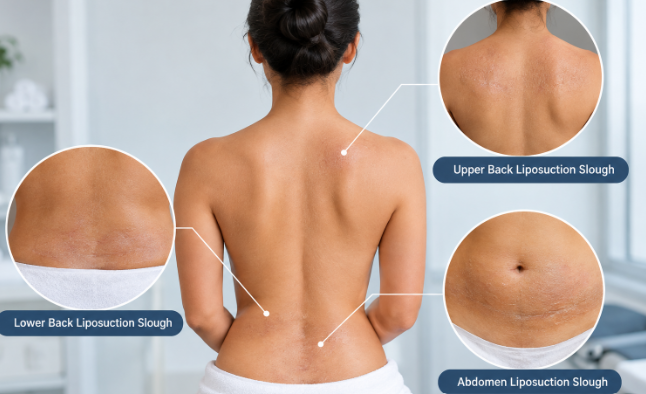
The Complete Guide to Lower Back, Abdomen and Upper Back Liposuction in Slough
Achieving a body shape that feels comfortable and proportionate can sometimes be difficult, even with regular exercise and a balanced lifestyle. Some people have localised areas of fat that are resistant to diet and exercise. Liposuction may be considered as a body-contouring procedure to remove unwanted fat from specific areas and improve body shape.
At BMACS, patients can discuss their concerns and treatment goals during a personalised consultation. Whether you are considering Lower Back Liposuction Slough, Abdomen Liposuction Slough, or Upper Back Liposuction Slough, understanding the procedure, recovery, benefits, and possible risks can help you make an informed decision.
What Is Liposuction:
Liposuction is a surgical procedure that removes localised deposits of fat from selected areas of the body. It is designed to improve body contours rather than act as a treatment for obesity or general weight loss.
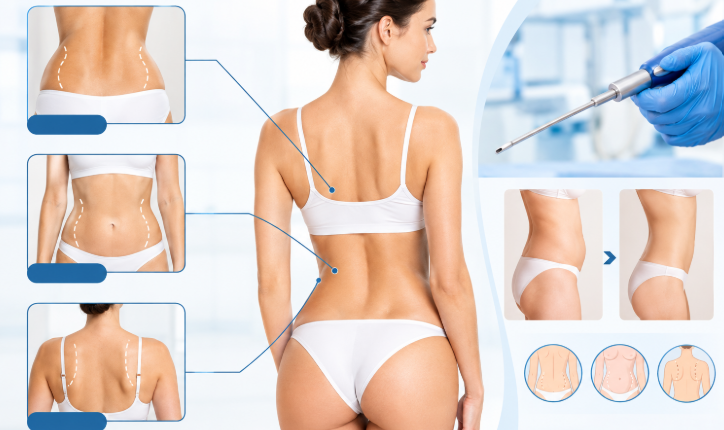
During the procedure, a surgeon makes small incisions and uses a specialised tube called a cannula to remove fat from the selected area. The technique used can vary depending on the treatment area and the individual’s requirements.
Is Liposuction a Weight-Loss Treatment:
Liposuction should not be viewed as a replacement for healthy eating or regular physical activity. It is generally considered when someone has specific areas of unwanted fat and wants to improve their body contours. Results can be long-lasting when a stable, healthy weight is maintained.
Lower Back Liposuction in Slough:
The Lower Back Liposuction Slough may be considered by people who have unwanted fat around the lower back or waistline. Fat in this area can sometimes affect the overall shape of the torso and may be difficult to reduce through lifestyle changes alone.
During a consultation, the treatment area can be assessed to determine whether liposuction may be appropriate. The surgeon can also discuss the amount of fat that may reasonably be removed and how treatment could affect the surrounding contours.
Creating More Balanced Body Contours:
Lower back treatment is often considered as part of a broader body-contouring plan. The goal is to create a balanced appearance rather than simply remove as much fat as possible.
Individual anatomy, skin elasticity, fat distribution, and overall health can all influence the treatment plan and eventual appearance.
Abdomen Liposuction in Slough:
The abdomen is one of the areas where localised fat deposits can commonly occur. Abdomen Liposuction Slough focuses on reducing selected fat deposits around the stomach area to help create a more defined body contour.
What Can Abdominal Liposuction Do:
Abdominal liposuction may help reduce stubborn fat deposits around the abdomen. However, it does not remove loose skin in the same way as an abdominoplasty, and it is not designed to treat every cause of abdominal fullness.
A consultation is therefore important to establish whether liposuction is suitable for your specific concerns. Skin quality and elasticity are particularly relevant when considering the expected contour after fat removal.
Upper Back Liposuction in Slough:
The Upper Back Liposuction Slough may be suitable for individuals concerned about localised fat around the upper back. Areas around the bra line and upper torso can sometimes develop noticeable fat deposits that affect the body’s overall proportions.
A Personalised Approach to Upper Back Contouring
Every person’s body shape is different. For this reason, treatment should be planned around individual anatomy rather than using the same approach for every patient.
A surgeon can assess the upper back, discuss your goals, and explain what type of result may realistically be expected.
What Happens During a Liposuction Consultation:
Discussing Your Goals:
The consultation gives you an opportunity to explain which areas you would like to improve and what you hope to achieve. Your medical history, lifestyle, expectations, and general suitability can also be discussed.
Assessing the Treatment Area:
The surgeon will assess the amount and location of excess fat, skin quality, and overall body proportions. This assessment helps determine whether liposuction is an appropriate option.
Understanding the Risks and Recovery:
Before making a decision, you should receive clear information about the procedure, expected recovery, potential complications, and likely results. NHS guidance recommends taking time to consider cosmetic surgery and choosing a suitably qualified practitioner.
What Is Recovery Like After Liposuction:
Recovery varies depending on the amount of treatment, the areas treated, and individual healing. Bruising, swelling, and temporary numbness are common after liposuction. Compression garments may also be recommended to help manage swelling during recovery.
Most people can gradually return to normal movement, but strenuous activities should be avoided until the surgeon advises that it is safe. Swelling can take time to settle, and the final contour may become clearer over several months.
Following your surgeon’s aftercare instructions and attending follow-up appointments are important parts of the recovery process.
What Are the Possible Risks:
Like any surgical procedure, liposuction has potential risks. These can include infection, bleeding, scarring, bruising, swelling, numbness, uneven contours, and blood clots. More serious complications are possible but less common.
Your surgeon should explain the relevant risks and how they may apply to your individual circumstances before treatment.
Frequently Asked Questions:
Can liposuction remove all unwanted fat?
No. Liposuction is designed to remove selected deposits of fat rather than eliminate all body fat. The amount removed depends on individual circumstances and safe surgical limits.
Can I have multiple areas treated?
Some patients may have more than one area treated, but this depends on factors such as overall health, the amount of fat involved, and the surgeon’s assessment. Your treatment plan should be individually determined.
Will liposuction improve loose skin?
Liposuction primarily removes fat. It does not work in the same way as surgery designed to remove excess skin. Skin elasticity can also affect the final appearance.
How long do liposuction results last?
Fat cells removed during liposuction do not grow back in the same way, but remaining fat cells can increase in size if significant weight is gained. Maintaining a stable, healthy weight can help preserve the body contour.
When will I see the final results?
Initial changes may be visible after swelling begins to reduce, but the treated areas can take several months to fully settle. Your surgeon can give you a more individual recovery timeline.
Conclusion:
Liposuction can be an option for people looking to improve specific areas of their body where localised fat remains despite a healthy lifestyle. Lower Back Liposuction Slough, Abdomen Liposuction Slough, and Upper Back Liposuction Slough can each be considered as part of a personalised body-contouring plan.
At BMACS, an individual consultation can help you understand whether liposuction is suitable for your goals. Before proceeding, it is important to understand the procedure, possible risks, recovery requirements, and realistic expectations. A qualified medical professional can provide advice based on your individual circumstances.