Eyelid Surgery in Windsor
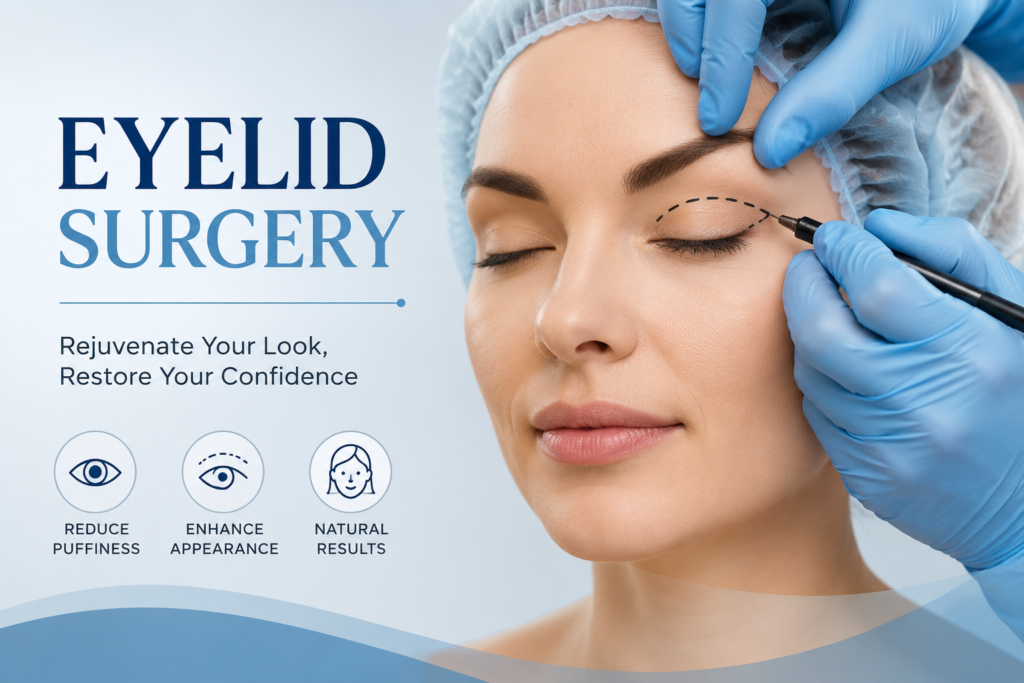
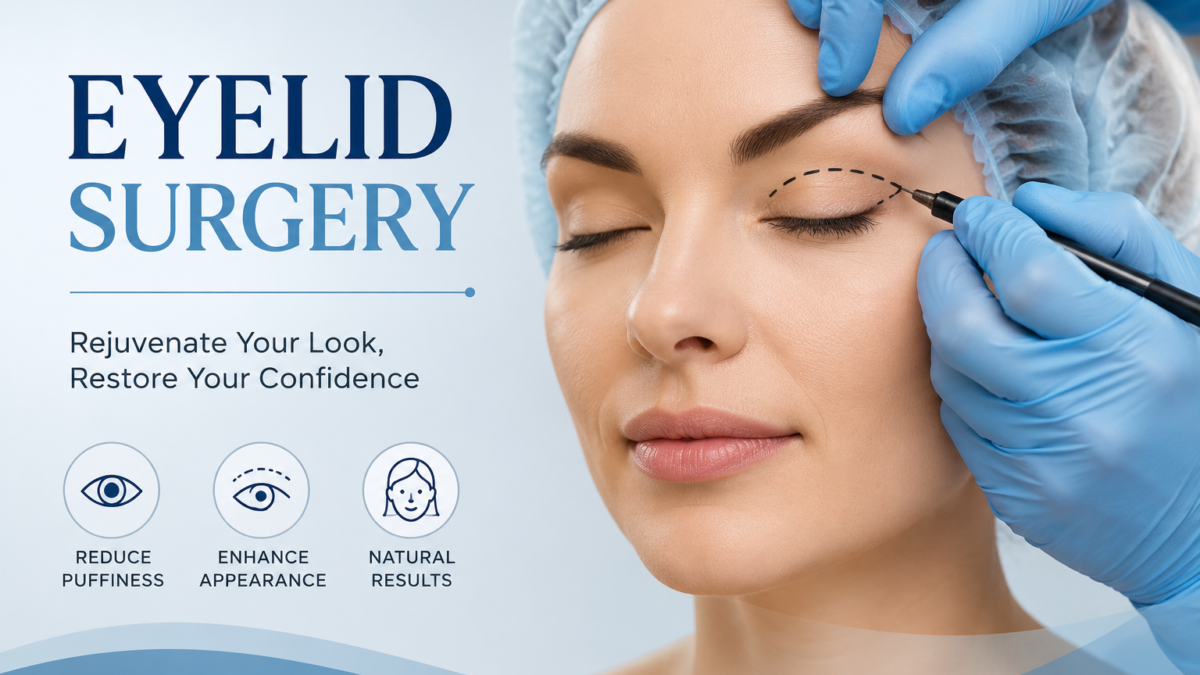
Eyelid surgery, also known as blepharoplasty, is a cosmetic or functional procedure designed to improve the appearance and, in some cases, the function of the upper or lower eyelids. People may consider eyelid surgery when excess skin, fat, or muscle around the eyes creates a tired appearance or interferes with vision.
For people researching Eyelid Surgery in Windsor, Ealing Slough, understanding the procedure, preparation, recovery, and potential risks is an important first step.
What Is Eyelid Surgery?
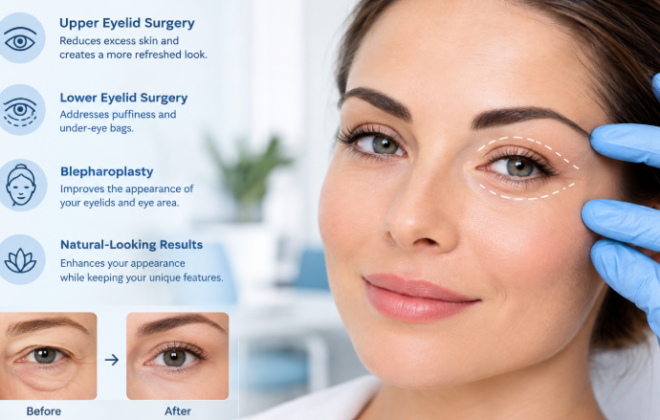
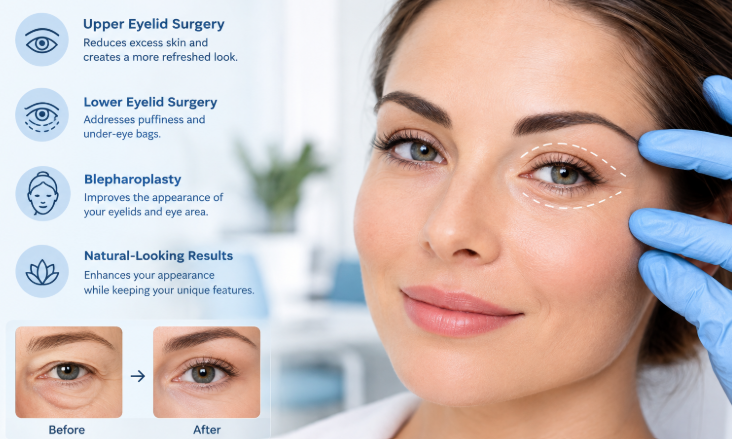
Blepharoplasty is a surgical procedure that removes or adjusts excess skin, fat, and sometimes muscle around the eyelids. It can be performed on the upper eyelids, lower eyelids, or both.
Upper eyelid surgery commonly focuses on excess skin that creates a heavy or hooded appearance. Lower eyelid surgery may address puffiness or bags caused by changes in the tissues beneath the eyes.
The exact approach depends on the individual’s eyelid structure, skin condition, concerns, and medical history.
Why Do People Consider Blepharoplasty?
The appearance of the eyelids can change naturally with age. Skin may become less elastic, while supporting tissues can weaken and fat may become more noticeable.
Some common reasons people explore eyelid surgery include:
- Excess skin on the upper eyelids
- Puffy lower eyelids
- Under-eye bags
- A tired or aged appearance around the eyes
- Changes caused by natural ageing
- Difficulty applying makeup because of excess eyelid skin
- Vision obstruction caused by significant upper eyelid skin
Eyelid surgery is not intended to completely change a person’s facial identity. A suitable surgical plan generally aims to create a balanced result while maintaining the natural structure and function of the eyes.
Eyelid Surgery in Windsor
People considering Eyelid Surgery in Windsor should begin with a detailed consultation. During an assessment, a medical professional may examine the eyelids, surrounding tissues, facial structure, and eye health.
The consultation is also an opportunity to discuss expectations, medical history, medications, previous eye procedures, allergies, and any existing eye conditions.
A personalised treatment plan can then be considered based on the individual’s requirements.
Eyelid Surgery in Ealing
For those researching Eyelid Surgery in Ealing, it is useful to understand that blepharoplasty is not a one-size-fits-all procedure. Different patients may require different surgical techniques depending on whether the main concern involves excess skin, fat, muscle, or a combination of these factors.
A qualified professional should explain the proposed procedure, expected recovery, possible complications, and whether eyelid surgery is appropriate for the individual’s circumstances.
Blepharoplasty in Windsor
Blepharoplasty in Windsor may involve upper eyelid surgery, lower eyelid surgery, or a combination of both.
Upper eyelid procedures generally involve an incision placed within the natural crease of the eyelid. Lower eyelid procedures may use an incision beneath the eyelashes or, in selected cases, an approach through the inside of the lower eyelid.
The technique selected depends on the patient’s anatomy and the specific changes being addressed.
Eyelid Surgery in Slough
Anyone considering Eyelid Surgery in Slough should understand that surgery requires proper preparation and aftercare. During the consultation, patients should provide complete information about their general health and any medicines or supplements they take.
Smoking can affect healing, and some medicines may increase the risk of bleeding. Patients should follow the instructions provided by their medical team before making any changes to prescribed medication.
What Happens During Recovery?
Recovery varies between individuals. Swelling and bruising around the eyes are common during the early recovery period. Some people may also experience temporary tightness, dryness, watering, or sensitivity around the eyes.
Cold compresses may sometimes be recommended during the early recovery period, depending on the clinician’s instructions. Keeping the head elevated while resting can also help reduce swelling.
Patients should avoid strenuous activities until their medical professional confirms that it is safe to resume them. Follow-up appointments are important because they allow the medical team to assess healing and address any concerns.
Possible Risks and Complications
Like all surgical procedures, eyelid surgery has potential risks. These can include bleeding, infection, swelling, bruising, scarring, temporary changes in sensation, dry or watery eyes, asymmetry, and difficulty closing the eyes.
More serious eye-related complications are uncommon but can occur. Patients should discuss individual risks carefully during their consultation and seek urgent medical attention if they experience significant vision changes, severe pain, or other unexpected symptoms after surgery.
Is Eyelid Surgery Suitable for Everyone?
Eyelid surgery may not be suitable for everyone. A person’s general health, eye health, skin condition, expectations, medications, and previous procedures can all influence suitability.
A professional assessment is therefore essential before deciding whether to proceed. Patients should have realistic expectations and understand that results and recovery can vary.
Frequently Asked Questions
What is the difference between eyelid surgery and blepharoplasty?
Eyelid surgery and blepharoplasty generally refer to the same procedure. Blepharoplasty is the medical term commonly used for surgery involving the upper or lower eyelids.
Can eyelid surgery improve vision?
In some cases, excess upper eyelid skin can interfere with the field of vision. Surgery may improve this problem when the obstruction is caused by the eyelid. An appropriate eye and eyelid assessment is necessary to determine whether surgery could help.
How long does recovery take after blepharoplasty?
Recovery differs from person to person. Bruising and swelling are usually more noticeable during the early stages and gradually improve. The treating clinician can provide individual guidance about returning to work, exercise, and normal activities.
Can eyelid surgery be performed on both upper and lower eyelids?
Yes. Depending on the individual’s needs and suitability, upper and lower eyelid procedures may be performed together or separately.
What should I discuss during an eyelid surgery consultation?
Patients should discuss their goals, medical history, eye conditions, previous procedures, allergies, medicines, supplements, smoking status, and any concerns about recovery or potential complications.
Is eyelid surgery a permanent procedure?
The changes made during surgery can be long-lasting, but natural ageing continues after the procedure. Future changes to the eyelid and surrounding tissues can therefore occur over time.
How can I learn more about eyelid surgery?
For further information about Blepharoplasty in Windsor, contact Brits Medical and Cosmetic Service.
Phone: 01727648642
Email: info@bmacs.org.uk