A Comprehensive Guide to Modern Eyelid Surgery and Blepharoplasty
The eyes are one of the most noticeable features of the face, but changes around the eyelids can affect both appearance and confidence. Ageing, genetics, lifestyle factors, and natural changes in the skin can sometimes lead to loose skin, puffiness, or bags around the eyes. Eyelid surgery can help address these concerns and create a fresher, more balanced appearance.
At BMACS, patients can discuss their concerns with a professional medical team and learn about suitable treatment options. Whether you are considering Eyelid Surgery in Windsor, Eyelid Surgery in Ealing, or treatment in Slough, an individual consultation is an important first step.
What Is Eyelid Surgery:
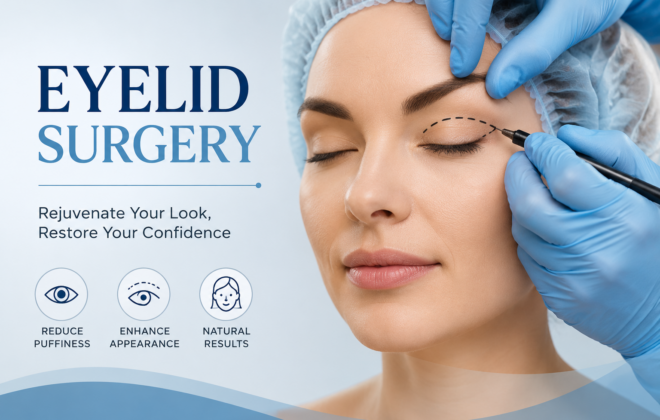
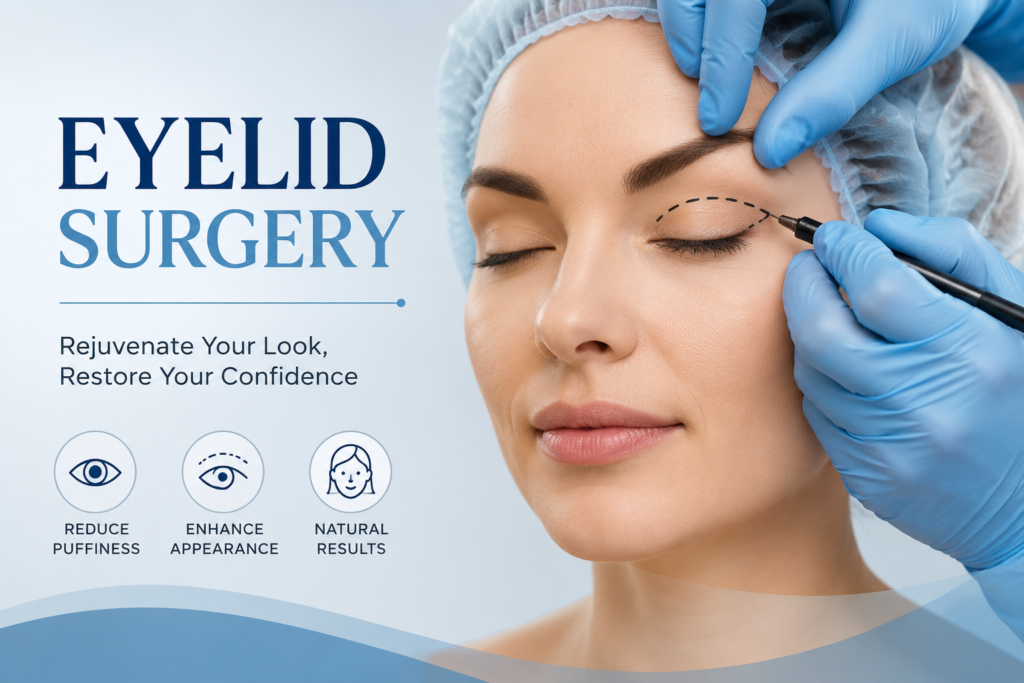
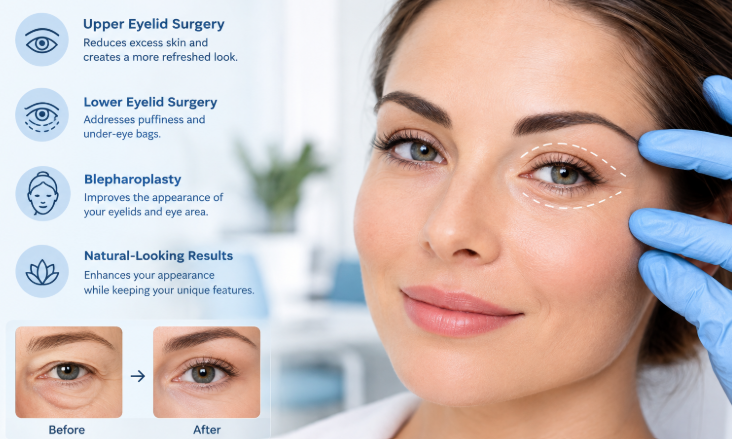
Eyelid surgery, also known as blepharoplasty, is a procedure designed to improve the appearance of the upper eyelids, lower eyelids, or both. Depending on the individual, treatment may involve removing or adjusting excess skin and, where appropriate, addressing fatty tissue around the eyes.
Upper Eyelid Surgery:
Upper eyelid surgery can help reduce the appearance of excess or sagging skin above the eyes. In some cases, heavy upper eyelid skin may also affect the upper field of vision. A consultation can determine whether surgery may be appropriate for your concerns.
Lower Eyelid Surgery:
Lower eyelid surgery focuses on concerns such as under-eye bags, excess skin, or puffiness. The exact technique depends on the patient’s anatomy and desired outcome. The aim is to create a smoother and more refreshed appearance while maintaining natural facial characteristics.
Considering Eyelid Surgery in Windsor:
For people researching Eyelid Surgery in Windsor, choosing a suitable clinic and understanding the treatment process are important. During an initial consultation, your concerns, medical history, facial features, and expectations can be discussed.
A personalised assessment allows the medical team to explain the procedure, potential benefits, possible risks, recovery requirements, and expected results. This helps patients make an informed decision about whether eyelid surgery is right for them.
Blepharoplasty in Windsor:
Blepharoplasty in Windsor is another term commonly used when discussing cosmetic eyelid surgery. The procedure can be performed on the upper eyelids, lower eyelids, or both, depending on the individual’s needs.
What Can Blepharoplasty Address?
Blepharoplasty may be considered for:
- Excess or loose eyelid skin
- A tired or heavy-looking eye area
- Puffy eyelids
- Under-eye bags
- Changes associated with natural ageing
- Certain cases where excess upper eyelid skin affects vision
The treatment plan should always be based on an individual assessment rather than a standard approach. Facial structure and skin characteristics differ from person to person.
Eyelid Surgery in Ealing:
People considering Eyelid Surgery in Ealing may have different reasons for exploring treatment. Some want to refresh their appearance, while others may be concerned about excess eyelid skin or changes around the eyes.
At BMACS, the consultation process provides an opportunity to discuss your goals and understand what treatment may involve. Patients can ask questions about preparation, the procedure, recovery, and aftercare before making a decision.
Eyelid Surgery in Slough:
Eyelid Surgery in Slough can be an option for individuals who are concerned about changes around their upper or lower eyelids. A professional consultation is essential to assess the area and determine the most appropriate approach.
The aim of treatment is not to change your entire appearance. Instead, eyelid surgery can be planned to address specific concerns while maintaining the natural proportions and character of your face.
What Happens During a Consultation?
Personalised Assessment:
Your medical history and concerns will be discussed during the consultation. The eyelid area can then be assessed to understand factors such as skin laxity, puffiness, and facial structure.
Understanding the Procedure:
Your clinician can explain the recommended approach, including what the procedure involves, possible risks, recovery time, and aftercare. It is important to understand that individual results and recovery experiences can vary.
Preparing for Recovery:
Following the recommended aftercare instructions can support a smooth recovery. Your clinical team should provide guidance about activities, wound care, swelling, and when you can return to your usual routine.
Frequently Asked Questions:
Is eyelid surgery suitable for everyone?
No. Suitability depends on individual health, anatomy, expectations, and the specific concern being treated. A consultation is necessary before deciding on treatment.
How long does recovery take?
Recovery varies between individuals and depends on the procedure performed. Your clinician can provide personalised guidance about expected swelling, bruising, activity restrictions, and returning to normal activities.
Does eyelid surgery leave scars?
Incisions are carefully planned, and eyelid surgery scars can often be positioned within natural eyelid creases. However, every surgical procedure can result in scarring, and healing varies between individuals.
Can eyelid surgery improve vision?
In some cases, excess upper eyelid skin can interfere with the upper field of vision. If this is a concern, an appropriate assessment can determine whether eyelid surgery may help.
Will the results look natural?
The goal of a carefully planned procedure is to address the specific concerns while preserving natural facial features. Results vary depending on individual anatomy and the treatment performed.
Conclusion:
Eyelid surgery can be considered by people looking to address loose skin, puffiness, under-eye bags, or other changes around the eyes. Whether you are researching Eyelid Surgery in Windsor, Eyelid Surgery in Ealing, Blepharoplasty in Windsor, or Eyelid Surgery in Slough, a professional consultation is an important starting point.
BMACS focuses on personalised assessment and clear information so patients can understand their options before proceeding. Discussing your goals, expectations, potential risks, and recovery requirements with a qualified medical professional can help you make an informed decision about your treatment.